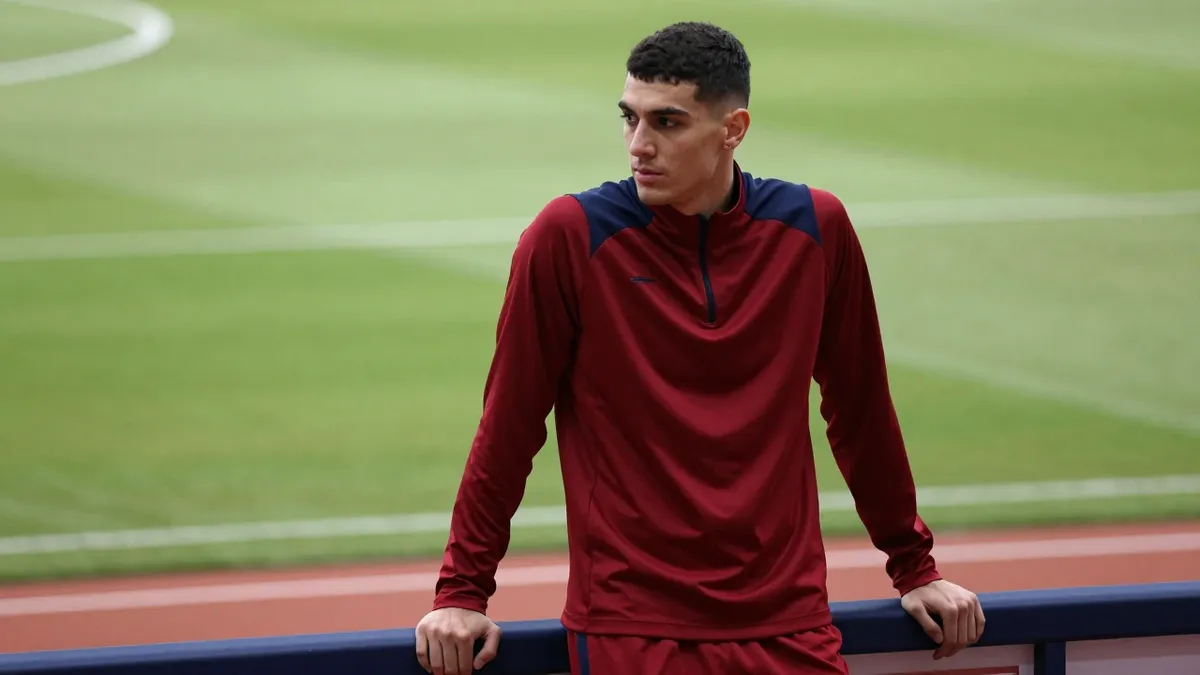
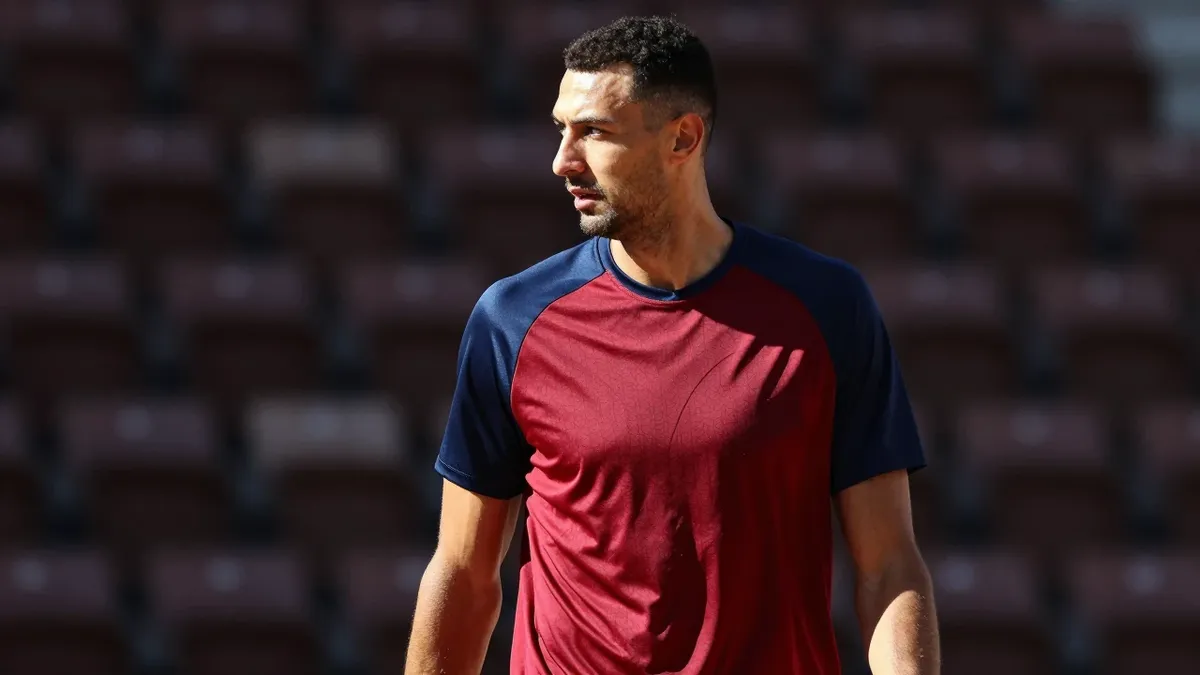
The Philadelphia 76ers are building momentum with a two-game winning run, including a 126-106 victory over the Milwaukee Bucks on April 12, and are already looking ahead to the 2027 NBA Draft. With a talent-rich roster featuring LeBron James and rookie Labaron Philon Jr., the front office is expected to target high-upside prospects, and Tennessee wing Juke Harris has emerged as a potential name to watch.
Juke Harris is a 21-year-old, 6-foot-7 wing who transferred from Wake Forest to Tennessee. He is a natural scorer who thrives in transition, using his length and speed to find angles to the basket. His sophomore season at Wake Forest was a breakout, averaging 21.6 points, 6.5 rebounds, and 1.9 assists per game. He shot 44.4% from the field and 33.2% from three-point range. Harris plays with a visible competitive drive, bringing consistent energy even in difficult games.
His playmaking is a developing part of his game. He can make highlight passes but isn't yet a consistent creator for others. Defensively, his 200-pound frame is a concern. He could struggle against stronger NBA forwards unless he adds significant muscle. Improving his three-point volume and efficiency is another key area for his junior year at Tennessee.
The 76ers' current roster is loaded with established talent. This allows them to take a calculated risk on a player with clear strengths and defined areas for growth. Harris's scoring instinct and athletic profile offer the kind of upside a contending team can develop over time. He wouldn't need to carry a heavy load immediately but could grow into a significant role.
Philadelphia's recent form shows a team finding its rhythm. After a stretch of three losses, they've secured wins against the Indiana Pacers (105-94 on April 10) and the Bucks. Adding a dynamic wing like Harris in the future could provide valuable depth and scoring punch.
His potential draft range is currently projected in the late teens or early twenties. The 76ers are unlikely to pick that high unless they trade into that spot. A dip in production or lingering questions about his defense could cause him to slide, potentially into Philadelphia's range. His performance this coming season at Tennessee will be critical for his stock.
Scouts have noted that some of Harris's most impressive outings came against weaker competition. A 38-point game in a loss to Boston College is an example. He needs to prove he can produce against top-tier SEC defenses. The consistency of his outside shot is another question mark. His three-point percentage rose from 30.3% as a freshman to 33.2% as a sophomore, but he'll need to be more reliable.
The defensive concerns are real. At 200 pounds, he can be pushed around in the paint. NBA general managers will want to see if he can add the necessary strength without losing his agility. If he can't, he becomes a defensive liability that limits his minutes. These are the classic risks associated with a high-upside, toolsy prospect.
Harris's freshman numbers were modest: 6.1 points and 2.8 rebounds in just 19 minutes per game. His dramatic leap as a sophomore is what put him on the radar. The 76ers' strategy will depend on how he builds on that campaign. If he addresses his weaknesses, he could rise out of their reach. If not, he might be the perfect swing-for-the-fences pick they are looking for in 2027.