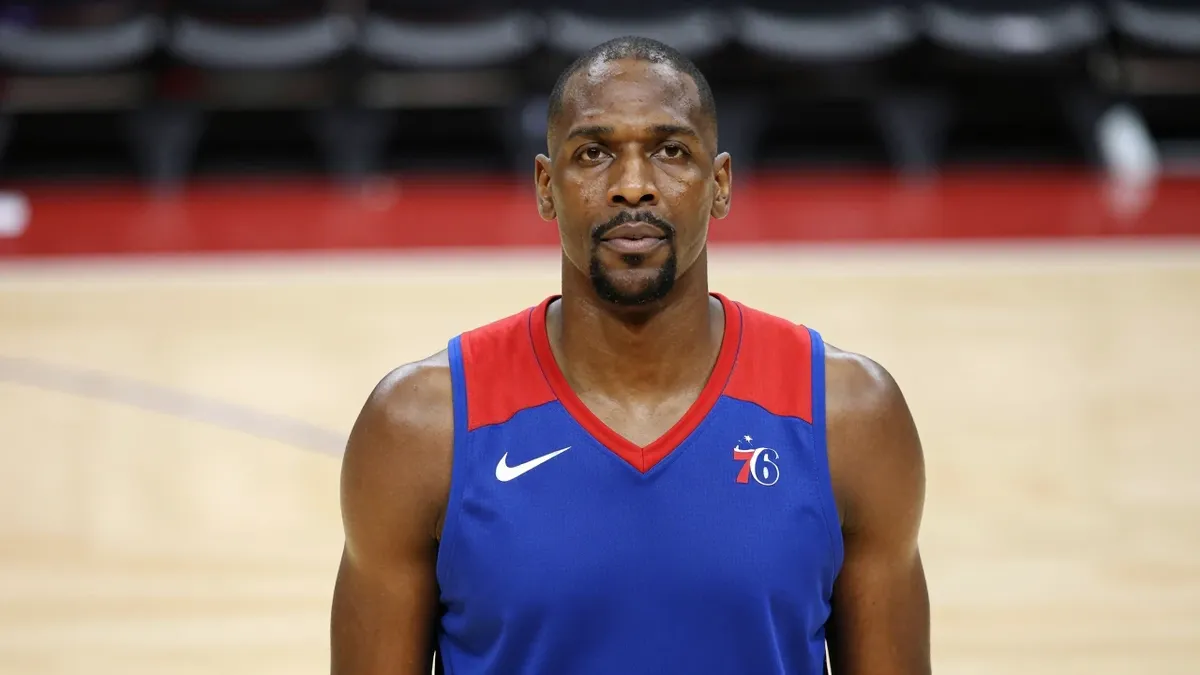
On September 7, 1982, the Philadelphia 76ers made a franchise-altering move by signing Moses Malone away from the Houston Rockets. The six-year, $2.2 million contract was the richest in NBA history at the time and immediately propelled the team to a championship.
What did the signing mean for the 76ers?
The acquisition of Moses Malone was a masterstroke. He wasn't just a star. He was the final piece for a team hungry for a title. His impact was immediate and immense, transforming the 76ers' frontcourt and their championship aspirations overnight. The contract, while massive for its era, proved to be a bargain given the ultimate payoff.
Malone's legendary "fo', fo', fo'" prediction before the 1983 playoffs captured his confidence. He nearly delivered, leading the 76ers to a dominant 12-1 postseason record. Their only loss came against the Milwaukee Bucks. They swept the New York Knicks in the first round. You can explore the team's current standings and stats to see how today's squad compares.
How did Moses Malone perform in the 1983 championship run?
Malone was utterly dominant throughout the 1983 playoffs. He averaged 26 points and 18 rebounds in the NBA Finals to secure the MVP award. His performance against the Los Angeles Lakers was historic. He out-rebounded the great Kareem Abdul-Jabbar throughout the series, a feat few thought possible.
Beyond the Finals, Malone's regular season was equally spectacular. He earned the 1983 NBA MVP award by averaging 24 points and 15 rebounds per game. This was his third MVP, adding to the two he won with the Rockets. His tenacity in the paint set a standard for physicality and effort.
Why is Moses Malone considered a 76ers legend?
Malone's legacy is built on production and a championship. He brought the 1983 NBA title to Philadelphia, defeating a Lakers team led by Magic Johnson and Kareem Abdul-Jabbar. His style of play defined an era. He remains the NBA's all-time leader in offensive rebounds, a sign of his relentless hustle.
Many consider him the greatest offensive rebounder ever. His game was built on sheer will and positioning under the basket. While modern centers like Joel Embiid may have more scoring finesse, Malone's physical dominance was unmatched. He was an 11-time All-Star whose work ethic became a blueprint for future 76ers.
What is the connection to the modern 76ers?
The legacy Malone left, however, is a permanent benchmark. He showed that a single major player can change a franchise's destiny. His signing is a reminder of the impact a major acquisition can have.
Fans looking for today's team details can check the current roster roster. Malone's championship run set a high bar. The hunger for another title in Philadelphia remains, fueled by the memory of that 1983 team led by a legendary big man who delivered on a historic promise.