The 2002 NBA Draft stands out as a pivotal moment in the history of the Philadelphia 76ers, a time when the team was in search of a new identity following the departure of their long-time star, Allen Iverson. As the franchise looked to rebuild, the draft offered a chance to infuse the roster with fresh talent, setting the stage for the next chapter in Sixers basketball.
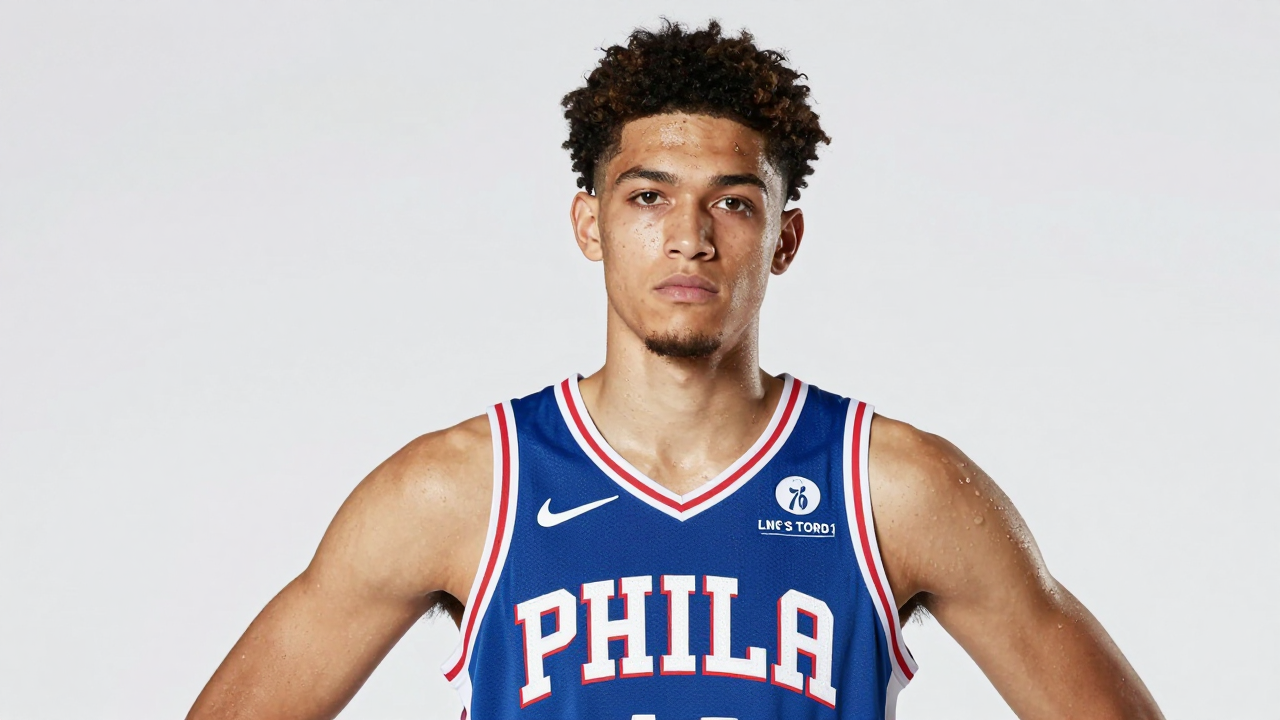
Entering the draft, the Sixers held the second overall pick, a prime position to select a potential franchise cornerstone. With the first pick already held by the Houston Rockets, who were poised to take Yao Ming, the Sixers focused their attention on the next best prospects. Among those was Jay Williams, the standout point guard from Duke University, who had captivated fans with his incredible skill set, including exceptional passing, shooting, and basketball IQ. However, the team ultimately chose to select the versatile forward, the highly touted, 6-foot-9, 235-pound player, who was expected to add depth and athleticism to their lineup.
The selection of this player came with immense expectations, as he was seen as a transformative figure who could help the Sixers re-establish themselves in the Eastern Conference. The decision was met with mixed reactions from fans and analysts alike, as many were still enamored by the thrilling plays of Iverson and were eager to see the franchise maintain that competitive edge.
Unfortunately, the Sixers faced challenges during this transitional phase. The selected player struggled to find his footing in the league, impacted by injuries and the adjustment to the NBA's physicality. The team, while still competitive, began to drift further from the elite status they had enjoyed in previous years. Despite the struggles, the 2002 draft laid the groundwork for the Sixers' eventual resurgence.
In the years following the draft, the Sixers would go through several roster changes, seeking the right combination of players to complement the talent they had acquired. While the immediate impact of that draft pick may not have been as pronounced as hoped, it ultimately served as a stepping stone toward the franchise's future successes.
The lessons learned from the 2002 NBA Draft would inform the team's strategies in subsequent years, as they would focus on balancing star power with complementary pieces to build a more cohesive unit. This period of reflection and adaptation would lead to the eventual emergence of new stars, revitalizing the Sixers’ ambitions in the NBA and reigniting the passion of their fanbase.
As we look back on the 2002 NBA Draft, it serves as a reminder of the complexities of team-building in professional basketball and the importance of strategic decision-making in shaping a franchise's destiny. While the immediate outcomes may not have met expectations, the long-term impacts would play a significant role in guiding the Philadelphia 76ers to future greatness.